By Levon Baronian
Nikol Pashinyan’s regime does not rely only on prosecutions, threats and institutional pressure. It also relies on carefully staged appearances.
The timing is rarely accidental. When the government’s actions in Armenia should draw the greatest scrutiny, its representatives seek meetings abroad with respected Diaspora figures and institutions. The goal is to create a competing image, one of calm, legitimacy and normal relations.
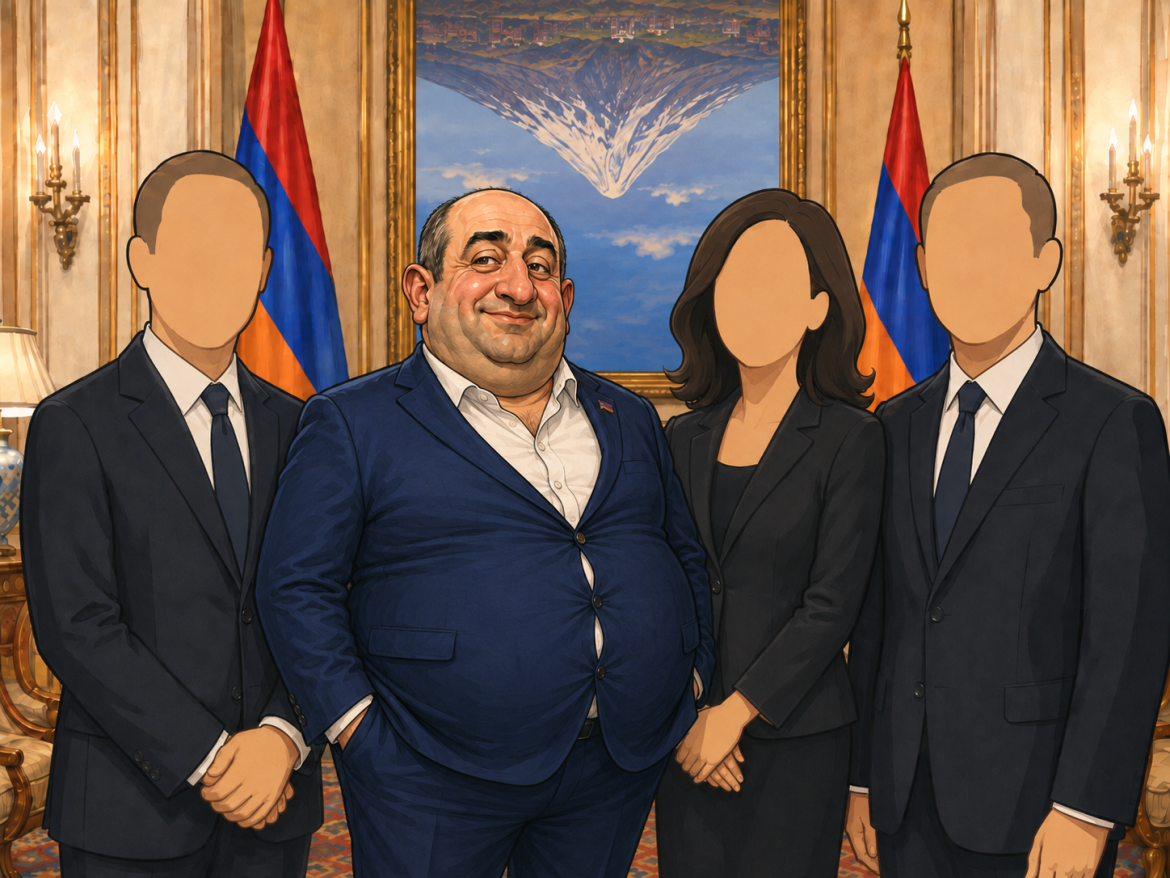
No formal endorsement is necessary. The photograph does the work.
Once published, it suggests that concerns are overstated, that relations remain cordial and that respected community leaders are prepared to stand beside the regime’s representatives without visible objection.
Those involved may believe they are simply observing protocol. But in politics, intention does not determine impact. A person who lends credibility to a manufactured image can become, willingly or unwillingly, part of an effort to whitewash the regime’s transgressions.
This is why timing matters. A routine meeting held during an extraordinary moment is no longer routine. It becomes part of the message.
The Diaspora’s institutions carry authority built over generations. That authority should not be used to sanitize the record of a government that cannot earn the same legitimacy through its actions at home.
When repression is followed by a smiling photograph abroad, the photograph is not incidental. It is the strategy.