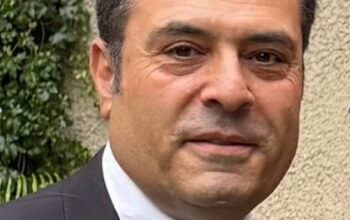
With parliamentary elections due in June 2026, Prime Minister Nikol Pashinyan is projecting confidence from foreign stages—most recently in Paris—while tightening the screws at home. He told a “peace forum” audience that Armenians will endorse what his government has “achieved,” casting the vote as crucial to his peace agenda. The reality on the ground tells a different story.
Opposition leaders argue that the government’s recent wave of arrests—targeting two opposition mayors—betrays fear of defeat, not strength. In Gyumri, Armenia’s second-largest city, Mayor Vardan Ghukasyan was detained on October 20 after Civil Contract suffered a humiliating setback in March, when four opposition groups collectively outpolled the ruling party. His arrest ignited protests; more than 40 supporters now face charges of “mass disturbances,” with at least 26 in detention. Armenia has rarely seen this scale of post-protest prosecution—a fact critics say lays bare Pashinyan’s insecurity as elections approach.
Public sentiment hardly favors the government. A July survey by the International Republican Institute found only 13% of Armenians trust Pashinyan, and just 36% believe the country is “heading in the right direction.” Even if the opposition remains fragmented, its energy has been revitalized by new forces, including a movement led by jailed businessman Samvel Karapetyan. Rumors—reportedly from within Civil Contract—that Pashinyan might pull elections forward underscore the panic over the opposition’s momentum, though the prime minister’s chief of staff, Arayik Harutyunyan, now insists the vote will proceed on schedule in June.
From the Paris stage, Pashinyan again promised that voters will back his “peace agenda” with Azerbaijan, pointing to U.S.-brokered understandings reached in Washington in August. The opposition’s rejoinder is blunt: these deals do not deliver peace; they normalize one-sided concessions that invite ever-greater demands from Baku, eroding Armenia’s security and viability as a state.
In short, the government sells “peace” abroad while criminalizing dissent at home. With elections around the corner, the arrests, prosecutions, and propaganda gloss look less like reform—and more like pre-election damage control from a ruling party that knows the ground beneath it is rapidly giving way.