Prime Minister Nikol Pashinyan on Wednesday once again tried to frighten the Armenian public with warnings of renewed war if the opposition comes to power after the upcoming parliamentary elections.
Speaking in parliament during a session boycotted by the opposition, Pashinyan repeated his claim that any effort to revisit the initialed agreement with Azerbaijan, seek international guarantees, or defend the rights of the forcibly displaced Armenians of Artsakh would “open the door” to war. He went so far as to declare that only his Civil Contract party has chosen to abandon the Artsakh movement, while all other political forces supposedly represent a path back to conflict.
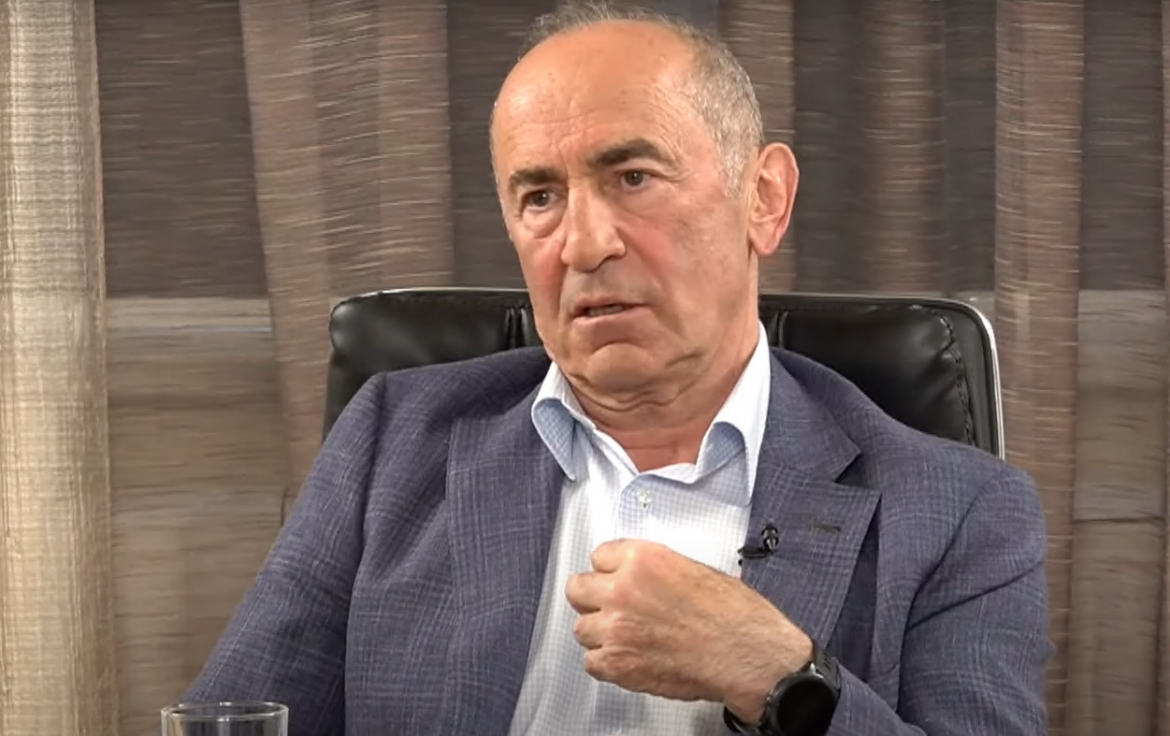
In response, Armenia’s second president, Robert Kocharyan, forcefully rejected Pashinyan’s claims as absurd, dangerous, and humiliating. Kocharyan noted the bitter irony of Pashinyan trying to present himself as a man of peace after bringing Armenia three wars and overseeing the loss and devastation of Artsakh.
Kocharyan pointed out that the most stable and peaceful years in Armenia’s recent history came during his own presidency, when there were no wars and not even attempts at large-scale military confrontation. By contrast, under Pashinyan, Armenia has endured military disaster, territorial losses, national humiliation, and the forced displacement of more than 100,000 Armenians from Artsakh.
“We used to hear threats from Aliyev, now from Pashinyan,” Kocharyan said in a recent podcast with members of the Armenia bloc. “I would not be surprised if soon they begin threatening Armenia together.”
He condemned the now-familiar message from the ruling regime — “if it is not us, then it will be war” — as both disgraceful and manipulative. According to Kocharyan, avoiding war does not mean endless unilateral concessions. It means serious statecraft, dignified diplomacy, and leadership that understands national interests.
Kocharyan also directly challenged Pashinyan’s competence, recalling that before the 2020 war he dismissed even the possibility of a major conflict and failed to grasp Turkey’s coming involvement. A leader who could not foresee catastrophe, and who helped create it, has no moral or political authority to lecture the nation about peace.
He argued that if his forces had returned to power in 2021, Artsakh would not have been destroyed in the way it was, because the reckless policies that followed — including decisions that fundamentally worsened Armenia’s position — would never have been taken. Kocharyan was unequivocal: the true danger of war lies not in a change of government, but in Pashinyan remaining in power.
The opposition has also accused Pashinyan of using war rhetoric as an electoral weapon. Artsvik Minasian, an opposition lawmaker allied with Kocharyan, said such statements amount to an unlawful attempt to intimidate voters and manipulate their political will ahead of the elections.
Pashinyan is once again trying to sell surrender as peace and fear as responsibility. Kocharyan’s response cuts through that deception: Armenia does not need more capitulation wrapped in empty slogans. It needs competent leadership capable of defending the state with dignity, strength, and seriousness.