VAGHARSHAPAT, Armenia — Election monitors have accused Prime Minister Nikol Pashinyan’s Civil Contract party of attempting to bribe voters ahead of the upcoming local elections in one of Armenia’s largest communities west of Yerevan.
The allegations center on a campaign event held Tuesday in the village of Doghs, part of the newly expanded Vagharshapat community. Footage from the event shows local officials and Civil Contract candidates distributing cash and gifts to residents — actions watchdogs say violate Armenia’s election laws.
Alleged Vote Buying and Merged Communities
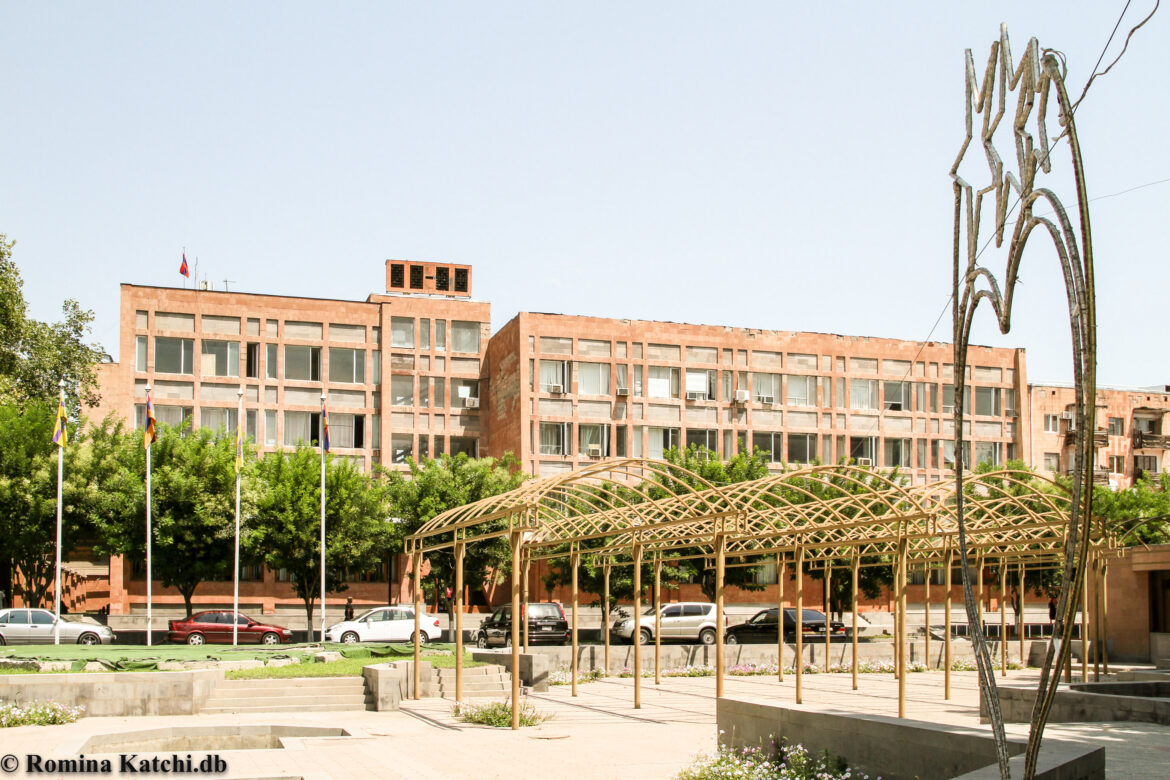
The Vagharshapat community, which includes the historic city and more than a dozen surrounding villages, has become a political flashpoint since the resignation of its former mayor Diana Gasparyan in May. Gasparyan, a Civil Contract member once considered close to the government, stepped down shortly before being charged with corruption.
Soon after, the Pashinyan government merged Vagharshapat with nearby villages — a move analysts believe was designed to bolster the ruling party’s support base before the November 16 snap elections. Critics argue that the consolidation allows Civil Contract to offset its declining popularity in the city with rural votes.
Controversial Charity Event
At the center of the latest controversy is Argishti Mekhakyan, the acting mayor and top candidate on the Civil Contract list. Mekhakyan attended the Doghs event alongside Lyudvig Yayloyan, the village administration chief and second on the ruling party’s list, and the Armavir provincial governor.
A video published by journalist Lia Sargsyan shows Yayloyan handing out gifts to children, including one who reportedly received $10,000 in cash, while Mekhakyan stood on stage. The event also featured a free community dinner, framed as a charitable celebration.
The Akanates (Witness) observation group, founded by Yerevan-based NGOs and funded by Western organizations, submitted a formal complaint to the Office of the Prosecutor-General, describing the event as “a clear act of vote buying.” The group cited Article 153 of the Criminal Code, which prohibits electoral candidates from providing material aid or services to voters.
Mekhakyan denied the allegations, claiming the gathering was unrelated to the campaign:
“A man who has been doing charity work in his village for over 30 years invited me and Mr. Yayloyan to one of his regular events,” he said. “I think it would not be appropriate to refuse the invitation.”
Law enforcement agencies have not yet commented on the accusations. Under Pashinyan’s tenure, prosecutors have repeatedly pursued vote-buying cases against opposition figures, but none involving Civil Contract candidates.
Opposition Reaction
Opposition blocs quickly seized on the controversy. Sevak Khachatryan, leader of the Victory bloc and runner-up in the last Vagharshapat election, accused Mekhakyan of “blurring the line between government duties and party campaigning.”
“I am sure that Civil Contract will be defeated here, just as it was in Parakar and Gyumri,” Khachatryan said in a recent interview.
Other challengers include Artur Vanetsyan’s Fatherland Party and the Mayr Hayastan (Mother Armenia) bloc, both of which have gained ground in local councils across the country.
A Symbolic Battleground
Vagharshapat holds unique significance as the seat of the Armenian Apostolic Church, home to Holy Echmiadzin and Catholicos Garegin II. Observers note that Prime Minister Pashinyan’s ongoing confrontation with the Church has further alienated local voters in a community that views itself as central to Armenian spiritual and national identity.
With election day approaching, the Vagharshapat vote is increasingly seen as a barometer of Civil Contract’s waning grip on regional politics — and a test of how far the ruling party is willing to go to maintain its hold on power.