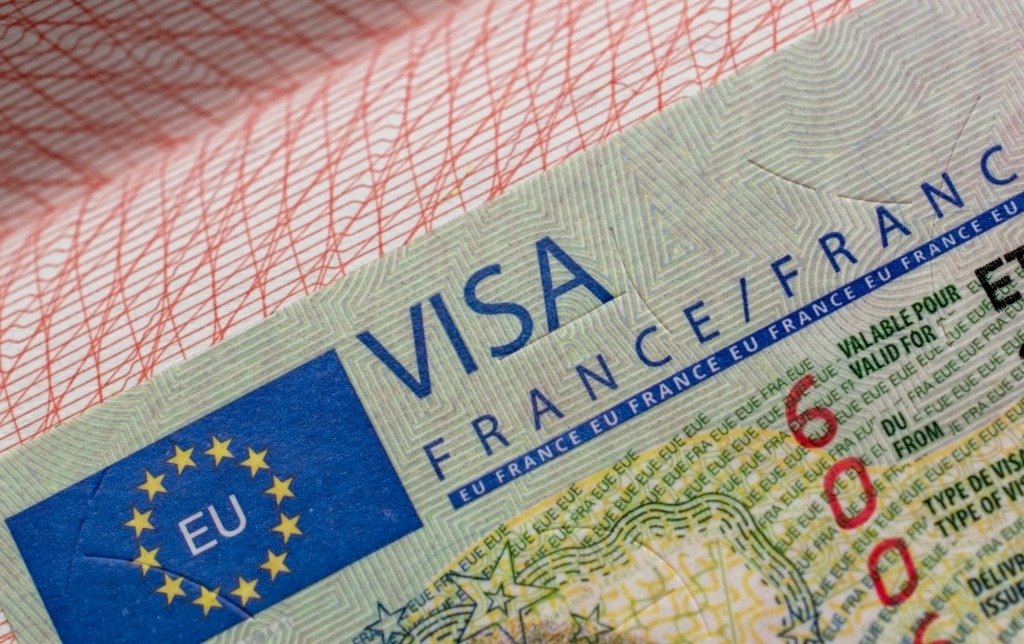
Sixteen months after the European Union formally launched visa liberalization talks with Armenia, the central question remains unanswered: when, if ever, will Armenians be able to travel to the Schengen zone without a visa?
EU member states authorized the negotiations in July 2024, as the Armenian government intensified its Westward pivot amid worsening relations with Russia. The first round of talks followed in September 2024 in Yerevan. Since then, officials have continued to sell the process domestically as a breakthrough—while avoiding the only metric that matters to ordinary citizens: a concrete timeline.
More than a year into negotiations, Brussels handed Yerevan a 74-point action plan laying out the requirements for visa-free travel. The measures span passport and document security, border and migration management, the fight against corruption and organized crime, and broader democratic reforms. One headline requirement is the rollout of new Armenian biometric passports aligned with European standards. The government says it will begin issuing them this summer.
Deputy Interior Minister Armen Ghazaryan said implementation speed will determine progress, but refused to estimate how long reforms will take—or when Armenians can expect visa-free access.
At the start of the process, Armenian Foreign Ministry officials privately floated a two-to-three-year completion target. Regional precedent undercuts that optimism. Georgia needed five years to secure visa-free travel; Moldova completed its process in four. Armenia now sits in the same corridor of uncertainty, with no commitment from Brussels and no deadline demanded by Yerevan.
EU officials have offered no dates, and the new EU–Armenia partnership framework signed in Brussels last month also avoids time frames. Instead, the language points to what Brussels cares about most: migration control. The Strategic Agenda commits both sides to reducing “unfounded” asylum claims by Armenian nationals and addressing the “root causes” of irregular migration to the EU—coded warnings that Armenia’s visa-free prospects are being weighed against EU fears of overstays and asylum abuse.
That reality has already landed on the public. Demand for Schengen visas has surged, and waiting lists at European consulates in Yerevan have grown punishing. Armenian citizens now routinely wait months just to secure an appointment, turning basic travel into a bureaucratic endurance test.
For the government, the talking point remains “historic progress.” For citizens, the experience remains the same: long lines, long waits, and a promise with no date attached.