Armenian opposition leaders accused Prime Minister Nikol Pashinyan on Tuesday of escalating a political crackdown ahead of the June 2026 parliamentary elections, pointing to a growing list of arrests and prosecutions that they say are designed to intimidate dissent and weaken challengers.
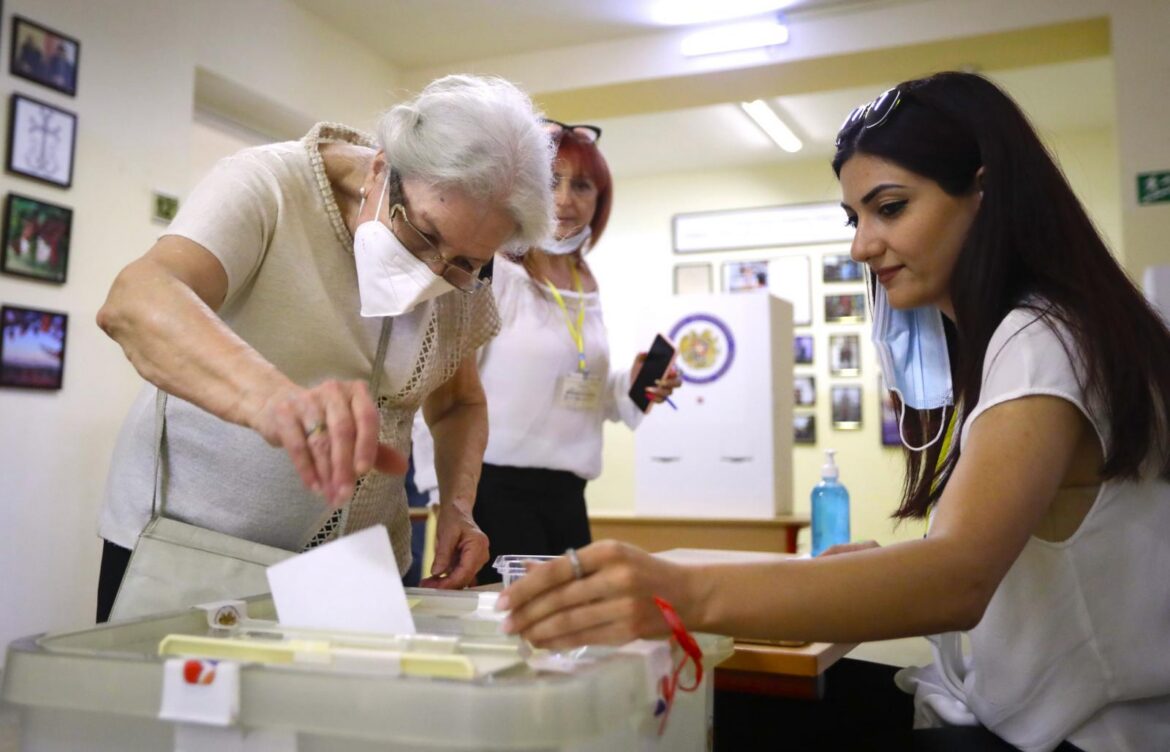
The latest detentions came overnight, when Armenia’s Anti-Corruption Committee (ACC) arrested at least eight opposition figures and supporters, including two senior members of the opposition Hayrenik (Fatherland) party led by former National Security Service chief Artur Vanetsyan. The ACC accused Khachik Galstyan and Aram Kocharyan of attempting to buy votes in last month’s local election in Vagharshapat and nearby villages—allegations their lawyers rejected, with investigators declining to disclose details or publicly identify other detainees.
Hayrenik officials framed the case as retaliation for political activity. Galstyan, who managed the party’s campaign, had accused the government of vote buying, gerrymandering, and other abuses in an interview published one day before his arrest, while the party itself performed poorly in an election narrowly won by Pashinyan’s Civil Contract. Vanetsyan dismissed the allegations as “pathetic” and warned that “no citizen with opposition views is now immune” from arrest on fabricated charges in the run-up to the national vote.
Opposition concerns sharpened further with the continuing prosecution of major political figures outside the party system—especially those who can mobilize institutions, money, or regional power bases.
Gyumri mayor case: a charge appears, then evaporates
One of the cases opposition leaders cite as emblematic involves Gyumri Mayor Vartan Ghukasyan, a prominent local official whose municipal coalition defeated Civil Contract in the country’s second-largest city earlier this year. Ghukasyan was arrested on October 20 on corruption charges he rejected as political, and he was later indicted under a provision criminalizing calls to violently overthrow Armenia’s constitutional order or violate territorial integrity.
Authorities tied that second charge to Ghukasyan’s September remarks arguing Armenia should pursue a “union” with Russia similar to the European Union while keeping “independent statehood.” Pashinyan publicly condemned the statement on October 1 and pledged to “throw out” the outspoken mayor from Armenia’s “political and public arena.”
This week, however, Armenia’s Investigative Committee dropped the Russia-related charge altogether and said Ghukasyan had been cleared—without explaining the reversal. His lawyer, Aramayis Hayrapetyan, said the accusation was illegitimate from the start and argued that expressing an opinion about international alignment cannot be treated as a criminal act.
To opposition figures, that sequence—public denunciation, rapid escalation into a “state security” style charge, and then a quiet retreat—signals a punitive system calibrated to pressure opponents rather than establish criminal wrongdoing.
Karapetyan case: a major challenger, shifting court posture, and an appeal
A second flashpoint centers on Samvel Karapetyan, the Russian-Armenian billionaire who launched a new opposition movement and pledged to challenge Pashinyan in the 2026 elections. On December 30, a Yerevan court unexpectedly agreed to move Karapetyan from pretrial detention to house arrest, a decision prosecutors said they would appeal.
Karapetyan was arrested on June 18, hours after condemning Pashinyan’s efforts against the senior clergy of the Armenian Apostolic Church and vowing to defend the Church “in our way”—language that later became the name of his movement, Mer Dzevov (“In Our Way”). According to the same reporting, authorities accused him of calling for a violent overthrow of the government, and later added charges including tax evasion, fraud, and money laundering after he moved to formalize his political project.
Mer Dzevov, unveiled in August, has positioned itself as a principal electoral threat to Civil Contract. From prison, Karapetyan declared on November 19 that the movement would topple a ruling “small clique,” while the group’s organizers have continued political activities under the coordination of his nephew Narek Karapetyan.
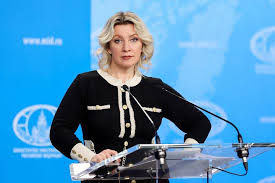
Pashinyan’s allies have portrayed the tycoon as a Kremlin-backed destabilization figure, but Moscow’s posture has remained guarded in public, even as Russia’s Foreign Ministry signaled concern in mid-December about his continued detention.
A widening net as elections approach
The arrests of Hayrenik members, the prosecution of a major opposition mayor, and the detention of a billionaire movement-builder have all landed in the same political season. Opposition leaders argue this is the logic of pre-election consolidation: remove local power centers, chill activism with “vote buying” cases, and force national challengers into courtrooms and house arrest rather than the campaign trail.
Azatutyun’s reporting notes that authorities deny the existence of political prisoners, even as the opposition points to a broader sweep that also includes other critics of the government, among them clergy members.
For the opposition, the pattern is clear: state power is being used to decide who can organize, who can campaign, and who can speak—long before voters reach the ballot box.