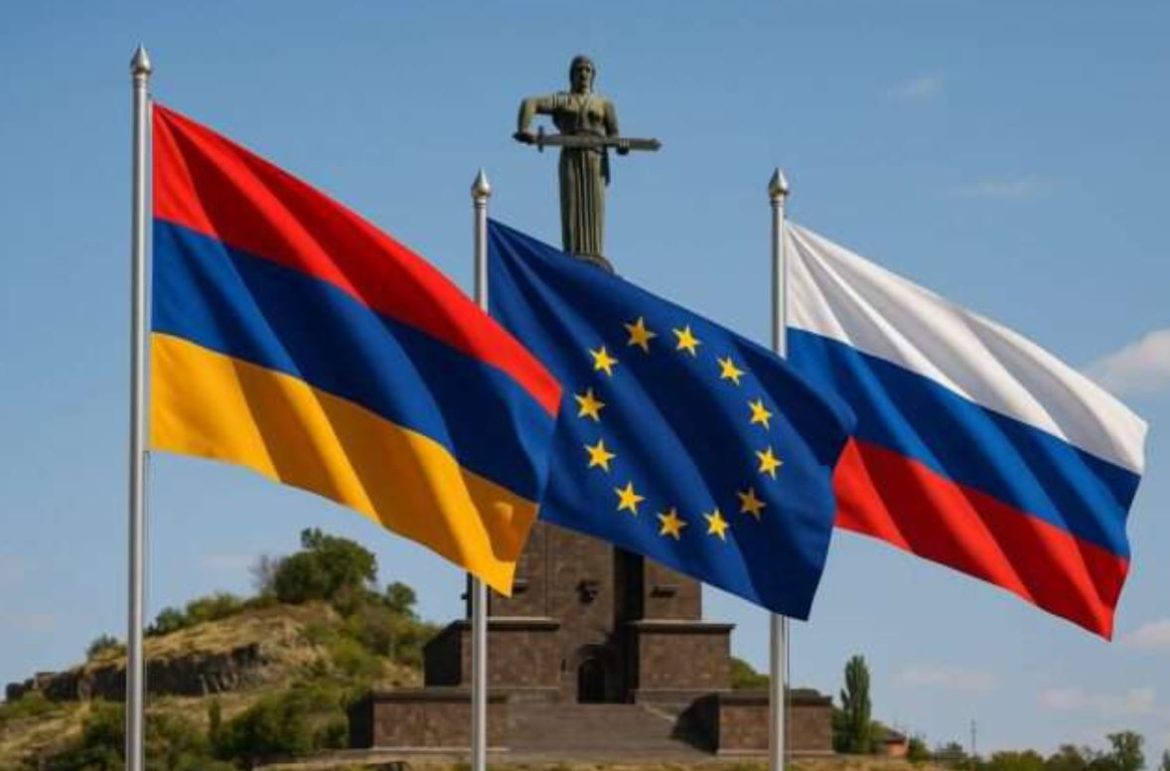
Armenia’s disputed parliamentary elections have drawn sharply different reactions from Brussels and Moscow, highlighting the deepening geopolitical divide surrounding Prime Minister Nikol Pashinyan’s government.
The European Union quickly congratulated Pashinyan after preliminary results gave his Civil Contract party 49.8 percent of the vote. European Council President Antonio Costa said Armenians had voted for “peace, stability and stronger cooperation,” while European Commission President Ursula von der Leyen praised Armenia’s closer ties with Europe and said Yerevan could “count on” the EU.
The statements came despite opposition allegations of widespread irregularities, pressure on opposition forces, mass arrests of activists and supporters, and the use of administrative resources throughout the campaign. Opposition leaders had already criticized the EU for openly embracing Pashinyan in the weeks leading up to the vote, including during high-profile meetings in Yerevan that were viewed by many as a political endorsement.
Russia, by contrast, refused to rush to congratulate Pashinyan. Kremlin spokesman Dmitry Peskov said Moscow would wait for the final results, while Russian Foreign Ministry spokeswoman Maria Zakharova accused Armenian authorities of holding the vote amid “harsh repression” against opposition parties, activists, supporters, and even the Armenian Apostolic Church.
Zakharova also said Pashinyan’s party failed to secure a monopoly on power and noted that its support had declined compared with the previous election cycle.
The contrasting responses reflect the broader struggle over Armenia’s political direction. Pashinyan has pushed Armenia closer to the EU while relations with Russia, Armenia’s traditional ally and key economic partner, have deteriorated sharply. Moscow recently warned that Armenia cannot continue pursuing EU integration while remaining in a Russian-led trade bloc, and Russian restrictions on Armenian exports added further pressure during the campaign.
The EU accused Moscow of using economic coercion and promised Armenia at least 50 million euros in urgent assistance. But for Pashinyan’s critics, Brussels’ swift congratulations only reinforced their argument that Western powers are willing to overlook domestic abuses so long as Armenia remains on a pro-Western track.
As opposition forces prepare legal challenges and recount demands, the international reaction has made one thing clear: Armenia’s election dispute is not only a domestic political crisis, but also another front in the growing geopolitical battle over the country’s future.