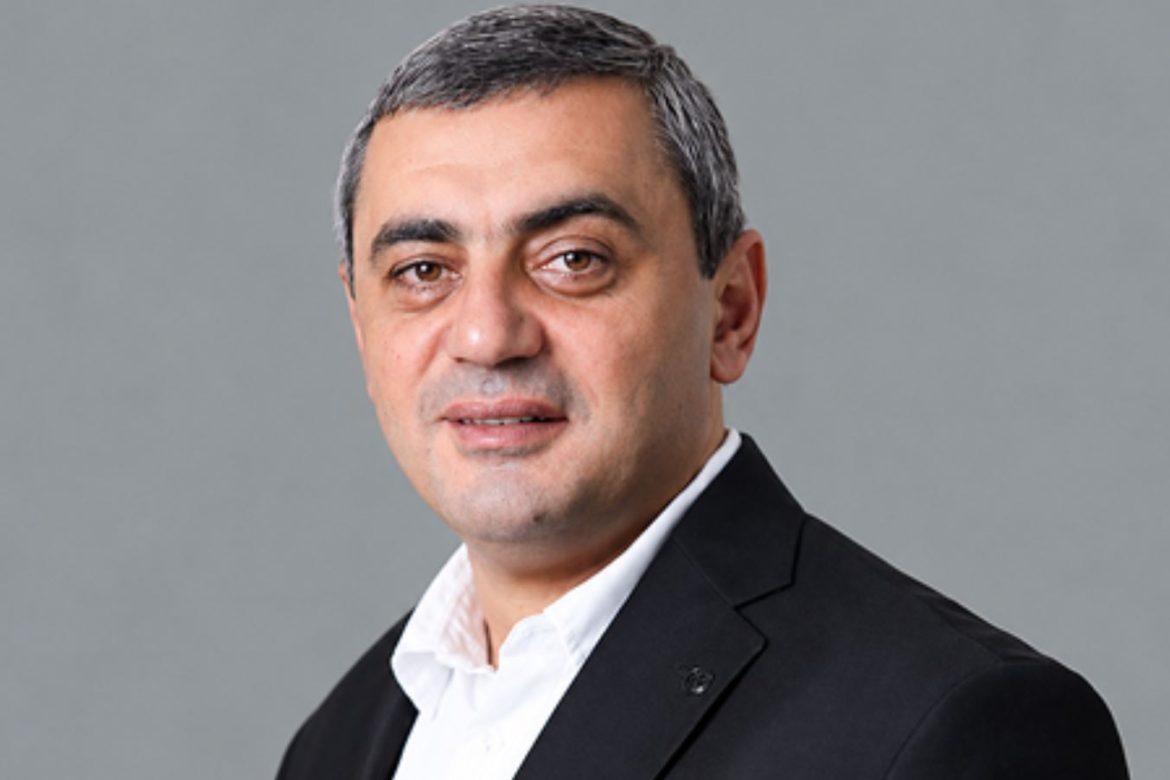
The death of Arsen Gevorgyan, just 20 days after his arrest, adds to mounting concerns over political persecution, mass arrests of opposition activists, and accountability for deaths occurring under the Pashinyan administration.
YEREVAN — Opposition mayoral candidate Arsen Gevorgyan, 46, died in Armenia’s Nubarashen prison on November 10, just 20 days after his arrest, amid continuing political repression and mounting concerns over deaths in state custody under Prime Minister Nikol Pashinyan’s administration.
Gevorgyan, a candidate representing the opposition Strong Armenia party in Stepanavan’s municipal elections, was arrested on October 21, just four days before voters went to the polls. Authorities accused him of electoral bribery, charges he denied. A court ordered him detained for two months without trial.
Despite his imprisonment, Strong Armenia received approximately 20 percent of the vote.
On November 10, Gevorgyan suffered a medical emergency inside Nubarashen prison and was pronounced dead around 8:30 a.m. His relatives indicated that he had suffered a heart attack.
His lawyers raised serious concerns about the medical response, alleging that emergency physicians were not permitted to enter the penitentiary until after his death. An investigation into the circumstances has been opened.
Deaths in Custody and Political Persecution
Gevorgyan’s death follows another politically sensitive case earlier in 2026 involving Armen Hovhannisyan, who had been detained for tearing down a political poster associated with Pashinyan’s ruling Civil Contract party. Hovhannisyan reportedly died by suicide in a psychiatric institution.
In July 2022, opposition activist and film producer Armen Grigoryan collapsed and died during a court hearing while facing criminal prosecution.
These cases have become part of the growing concerns surrounding politically sensitive prosecutions, the treatment of detainees, and the accountability of Armenia’s law enforcement and judicial institutions.
Following Gevorgyan’s death, Justice Minister Srbuhi Galyan acknowledged that four deaths had occurred in Armenia’s penitentiary institutions during 2026, following more than 20 prison deaths in 2025.
The figures raise urgent questions about medical care, detention conditions, and the government’s responsibility for protecting individuals deprived of their liberty.
Opposition Arrests Intensify in 2026
Gevorgyan’s death comes amid an extensive campaign of arrests and criminal prosecutions involving opposition activists.
During the campaign preceding Armenia’s June 7 parliamentary elections, hundreds of Strong Armenia activists were reportedly arrested in investigations involving alleged electoral bribery.
Opposition representatives have characterized the arrests as part of a sustained effort to undermine political competition through the criminal justice system.
The imprisonment of an opposition candidate just days before an election, followed by his death while awaiting trial, brings the use of pretrial detention against political opponents into particularly sharp focus.
Growing Questions Over Armenia’s Democratic Freedoms
The continuing arrests of government critics, politically sensitive prosecutions, and deaths involving individuals deprived of their liberty have intensified concerns over the erosion of democratic safeguards in Armenia.
The death of Gevorgyan demands an independent accounting of why he was detained, whether he received adequate medical treatment, and whether his death could have been prevented.
The broader pattern also raises questions about the independence of Armenia’s judicial institutions and the use of state power against political opponents.
Arsen Gevorgyan entered prison on October 21 as an opposition candidate who had not been convicted of any crime. Twenty days later, he was dead.
His death adds urgency to demands for accountability over political detentions, prison conditions, and the protection of fundamental rights in Armenia.