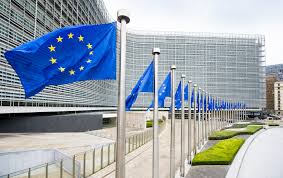
Raising fresh concerns among Armenian opposition figures about possible vote manipulation, the European Union is preparing to deploy a “hybrid rapid response team” to counter potential Russian interference in Armenia’s upcoming parliamentary elections.
Foreign Minister Ararat Mirzoyan formally requested the deployment in a February 13 letter sent on behalf of the Armenian government. Diplomatic notes from recent talks in Brussels indicate that the EU aims to “express support for strengthening Armenia’s democratic resilience and information integrity both ahead of the June 2026 elections and during the ongoing peace process between Armenia and Azerbaijan.” The support, the notes add, should be directed at mitigating what the EU views as Russia’s destabilizing activities.
Armenia’s Foreign Ministry declined to comment on Mirzoyan’s request on Wednesday. A ministry spokesperson said there was nothing to add to remarks issued in December, when Yerevan stated it wanted EU assistance to “counter potential hybrid threats” to the integrity of elections.
Earlier in December, EU foreign policy chief Kaja Kallas disclosed that Prime Minister Nikol Pashinyan’s government had sought the same type of support the EU provided to Moldova ahead of its September 2025 parliamentary elections.
That revelation triggered strong criticism from Armenian opposition leaders, who argued that Pashinyan was seeking an EU “blank check” to secure victory in the June 7 vote through improper means. Some also alleged that the EU itself intends to influence the election outcome. Pashinyan’s allies rejected those accusations.
Plans by the 27-nation bloc to send the specialized election mission have further intensified opposition concerns. Gegham Manukyan, a parliament deputy from the Hayastan alliance, said he fears the mission could help authorities justify or obscure voting irregularities.
He warned that the Armenian government could become “much more arrogant” and more willing to flout laws if it believes international organizations will not criticize it.
The EU previously deployed a similar team to Moldova during elections won by the country’s pro-Western leadership. That mission, consisting of roughly 20 specialists, worked with Moldovan authorities to identify and counter alleged Russian disinformation on social media.
Two Moldovan opposition parties described as pro-Russian were barred from participating in those elections. The EU defended the bans, citing evidence of Russian interference. Moscow denied the allegations and denounced the vote as fraudulent.
Russian Foreign Minister Sergei Lavrov last month accused Pashinyan’s administration of being encouraged by the EU to manipulate Armenia’s elections and deepen confrontation with Russia. During a February 5 meeting with Armenian parliament speaker Alen Simonyan, Lavrov also criticized what he described as the Armenian government’s claims about Russian “hybrid” threats.